

What Can U Feed The Saltwater Cleaning Crew
Run into The Make clean Up Coiffure
When keeping a saltwater aquarium you have to remember about all parts of the mini-ecosystem y'all are trying to create. Of grade, this means planning out your tank size, what equipment you will need, and so deciding what fish and corals you want to continue. Simply something new aquarist might not remember about are the fiddling scavengers and algae munchers you should add to your tank in addition to fish and corals.
This group is oft called the clean upwardly crew and these animals go along busy in your tank remove non-living organic matter, sifting through and aerating the sand, and keeping algae nether control. Clean up crews consist of a diversity of animals and information technology's important you have a clean upward crew working away in your tank.
Each of these critters has a different function and beneath we will give y'all an overview of the general roles of snails, crabs, shrimps, sea stars, and urchins in the saltwater aquarium clean up crew. We will also requite some specific animal examples, but don't worry if you tin't find these exact species, as long as you have a few from each grouping your clean up crew is consummate!
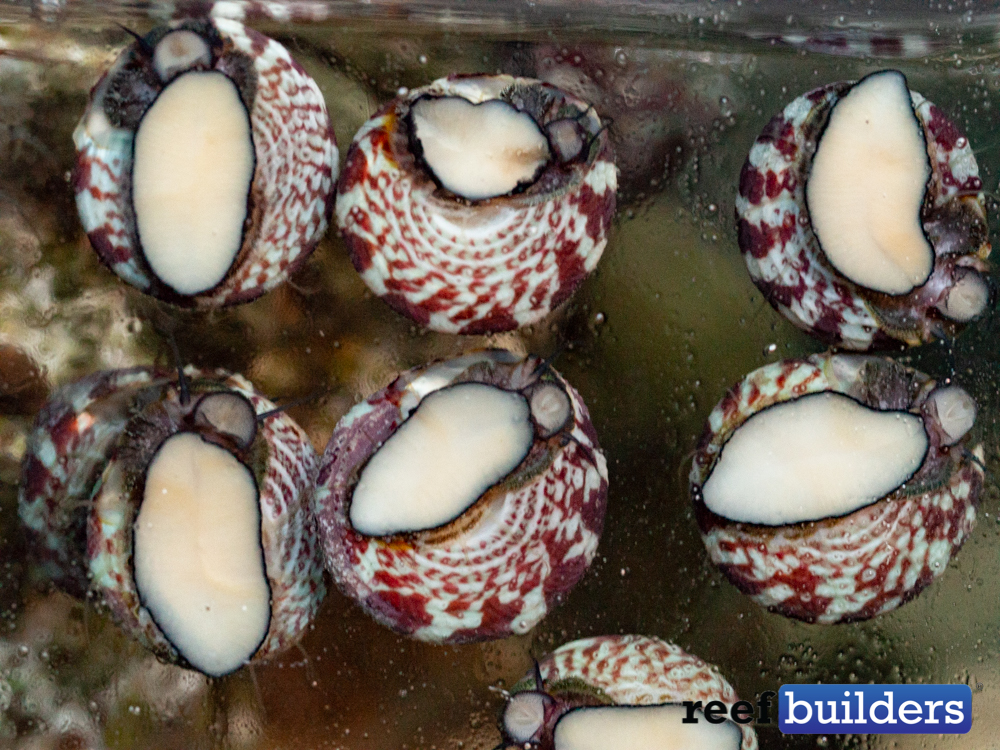
SNAILS
Snails are the first addition to your make clean up crew. Snails will feed on algae, cyanobacteria, and diatoms along your rocks, substrate, and aquarium drinking glass.
Banded Trochus Snails
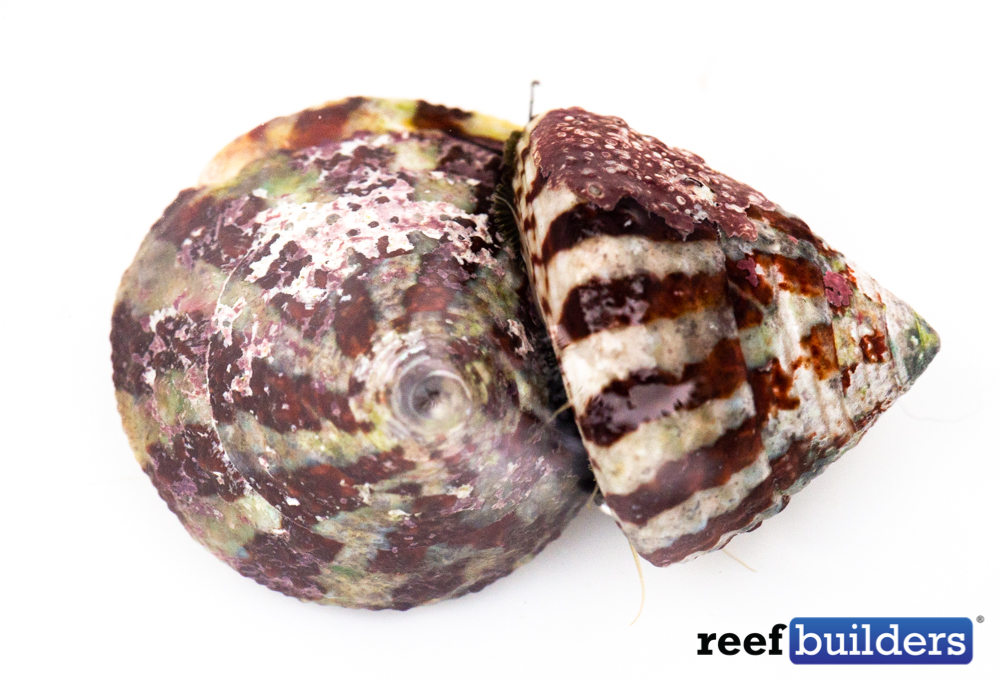
Banded trochus snails, or whatever variety of trochus snails are perfect for new aquariums. They assistance control diatoms on the aquarium glass and are is easy to care. The trochus snail volition graze on nuisance algae on the rocks although their chief duty is patrolling the glass.
The trochus Snail is peaceful and because of its shell shape, it is not easily eaten by crabs. Depending on the size of your tank, yous can keep one snail for every two to three gallons of aquarium water, a great addition to your aquarium's cleanup crew.
Tiger Nassarius Snails
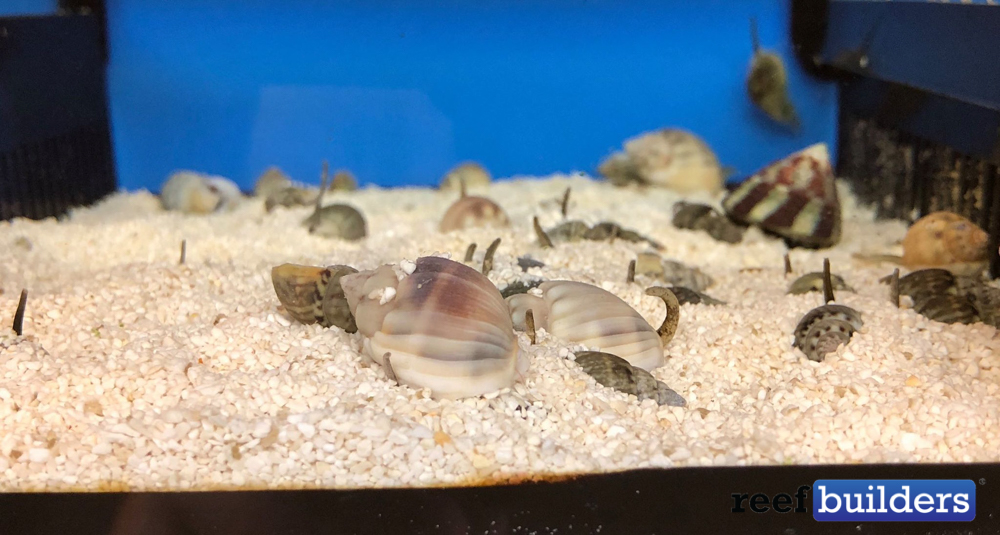
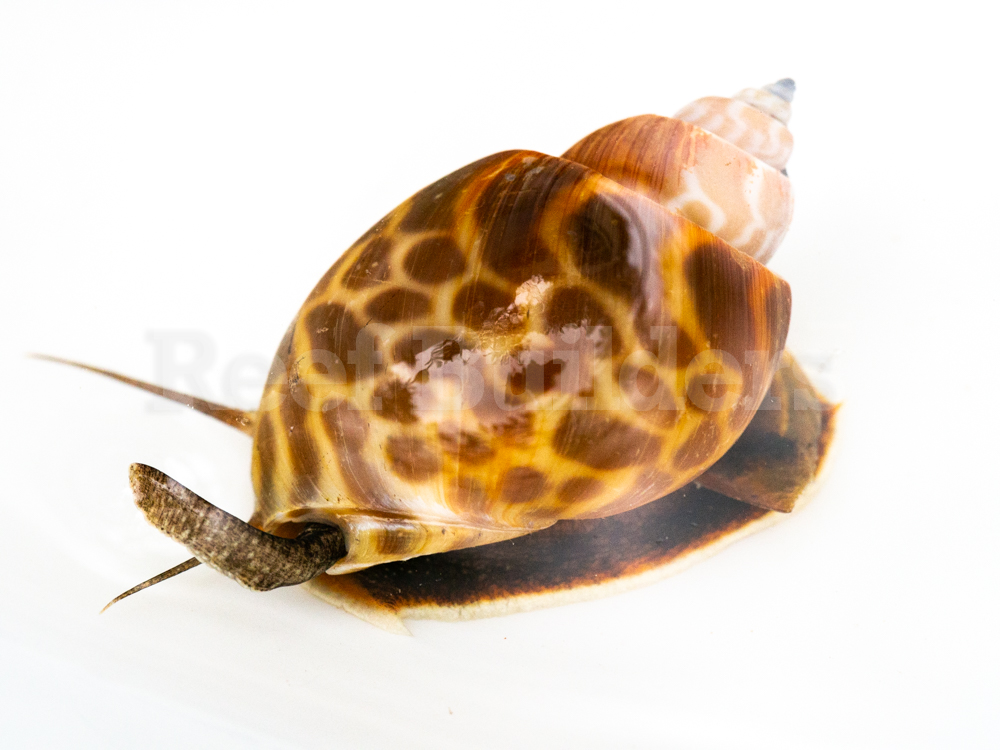 These big snails are suited to a reef aquarium that has a sand bed. The tiger nassarius snails will come out at night or when food is placed in the aquarium and live well-nigh of the day buried under the sand.
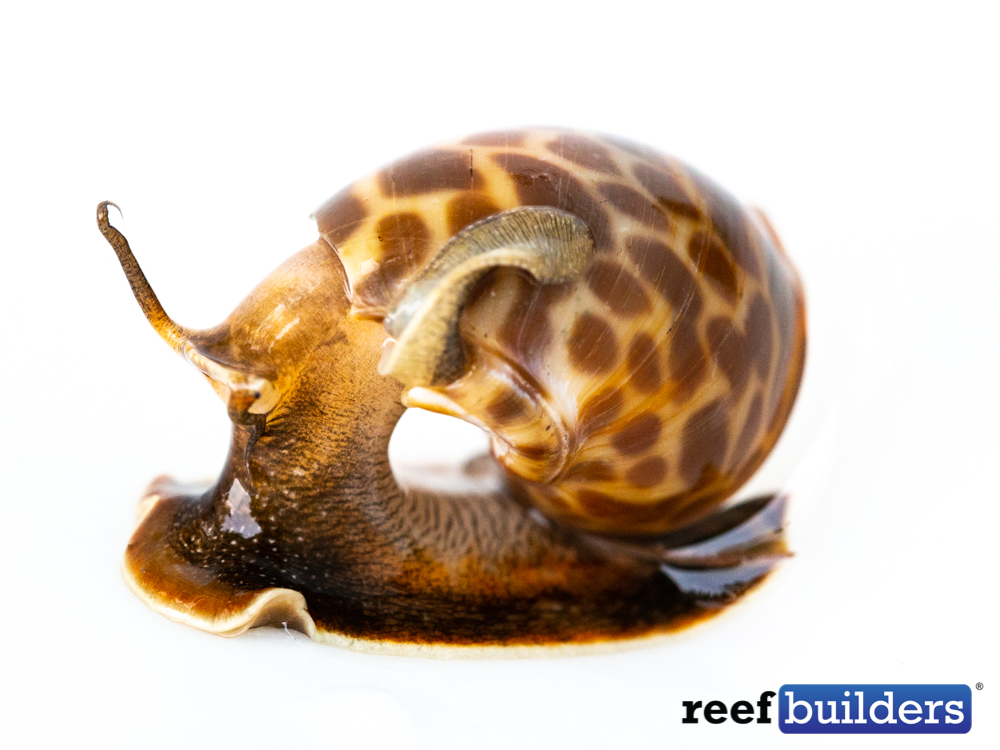
Equally they roam below the sand they assistance aerate the substrate and scavenge for uneaten food, and decaying organics. You lot might want to hold off adding these snails to a make new aquarium and instead await until you've added fish.
Some species of Nassarius Snail tin grow to nearly 3″ then you want to have a deep enough sand bed for them to hide. If yous accept a smaller tank or shallow sand bed you tin can too get their smaller counterparts also called nassarius snails. These smaller relatives perform the aforementioned task aerating the sand and cleaning upward detritus but without the flashy shell.
Crabs
Emerald Crabs
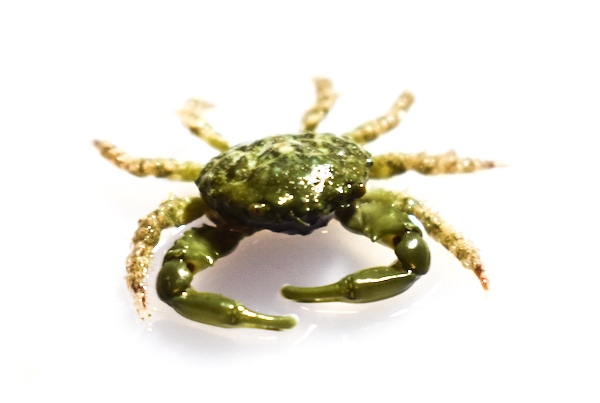 The Emerald Crab, has a bright green trunk with hairy legs. These little crabs will scurry around your rockwork munching on nuisance algae especially bubble algae (Valonia ventricosa). Emerald crabs will as well scavenge for leftover food.
The downside to emerald venereal is they tin can outgrow your tank and become opportunistic feeders that take been known to develop a taste across algae. If food is not bachelor to them, they may turn to eating corals or invertebrates. Make sure to provide seaweed, meaty food or pellets for your emerald crab.
Hermit Crabs
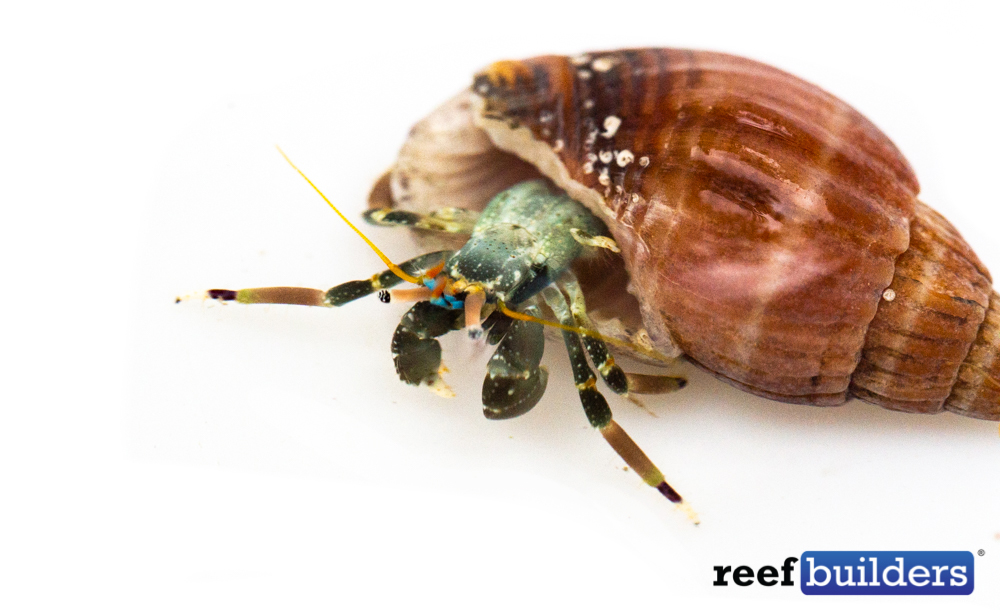 Hermit crabs are fun to picket as they scamper around your tank. They will pick upwardly detritus from the sand and rock piece of work and graze at algae forth the way. Simply be warned, hermits will often selection at snails either for a snack or to claim their shell!
Hermit venereal are also quite clumsy and volition knock over corals which aren't firmly attached to the rocks. I even so like to accept hermits in my tank but for many aquarists, it's a love-hate relationship you either love em or decide to never keep them once more.
Bali Bright Reddish Hermit Venereal
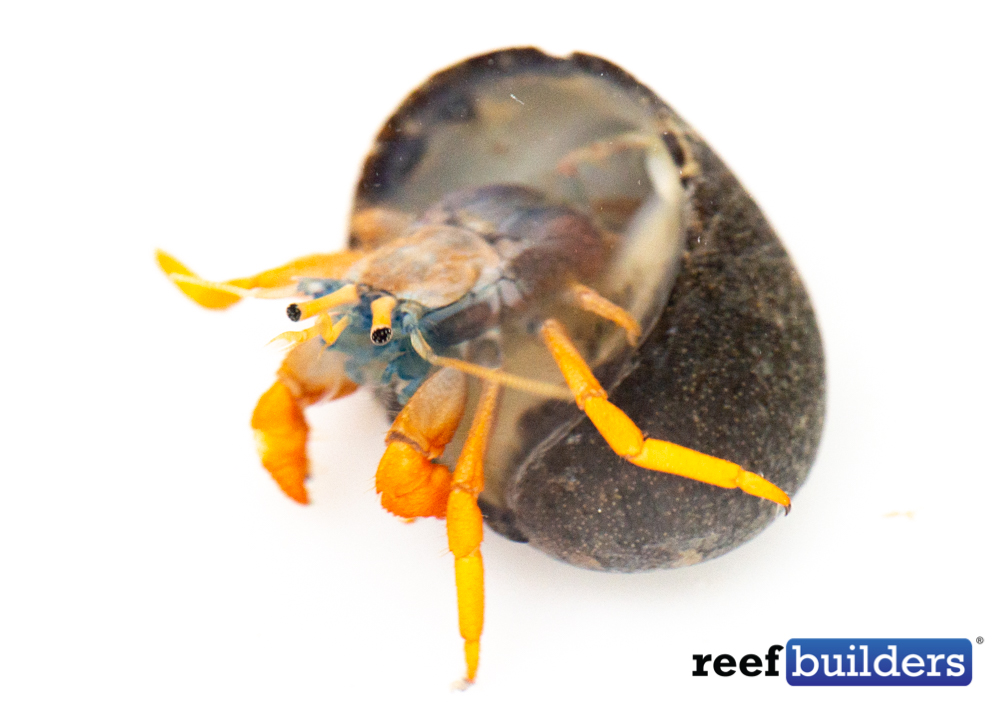 Bali bright crimson hermit crabs are ordinarily known as Red reef or red-legged hermit crab. Bali bright crimson hermit crabs are reef rubber. Vivid carmine crabs have a peaceful temperament.
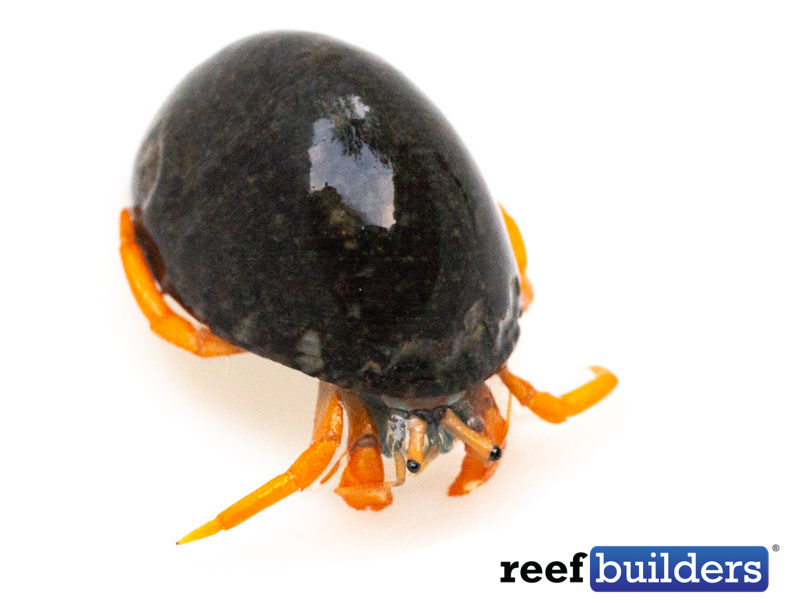 Vivid crimson crabs are omnivorous, they volition consume meaty foods and have a great appetite for algae. It is not difficult to take care of the bright red crabs which makes them perfect for a beginner aquarist.
SHRIMP
Shrimps accept long arms with tiny footling claws, perfect for reaching into crevices and rocks, or picking off parasites from their fishy friends. There are two types of aquarium shrimp, scavengers, and cleaners. Cleaners will help pick off pests from corals and clean off parasites from fish, while scavengers clean upwards excess food and decaying organics in the aquarium.
Camel shrimp
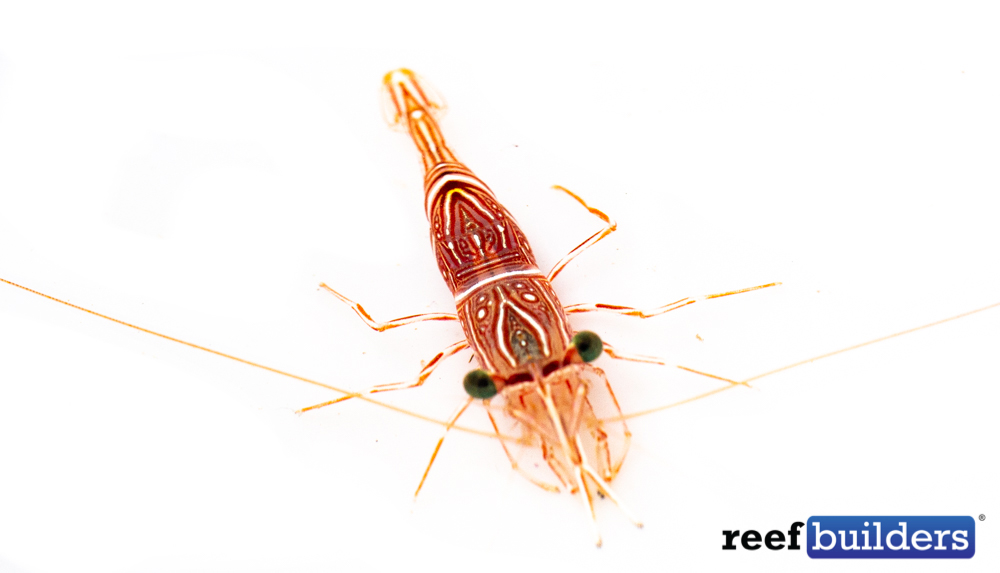
The camel shrimp has a cute colour pattern of ruby and white stripes on its trunk and has a unique movable pecker that is usually angled upwards.
The males of this species tend to have larger claw than the females. Take this into consideration when picking out at to the lowest degree four shrimps for your tank. Camel shirmp likes to live with friends of its own kind and they will besiege together in rocky crevasses, under overhangs, or in the coral rubble.
Camel shrimp are scavengers and will consume food that has fallen into crevices, and between rocks specially where larger critters can't accomplish. Camel shrimp are scavenger, not cleaners, so if you are looking for a shrimp to clean off your fish you lot volition want to add a cleaner similar a skunk shrimp or the claret red burn down shrimp.
The Blood Red Burn down Shrimp
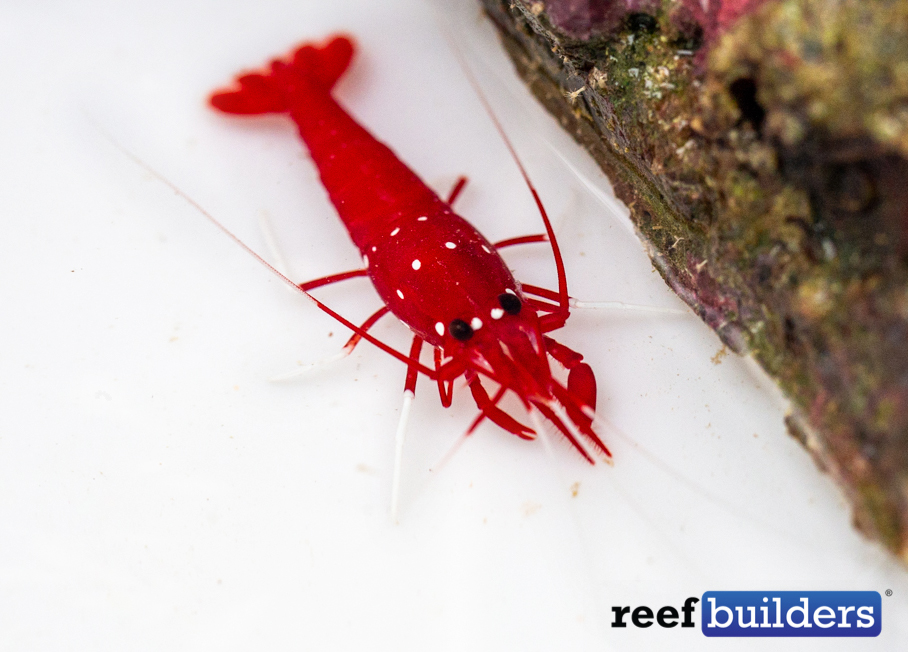 Blood Shrimp is i of the about popular shrimp in the aquarium hobby. Information technology has a blood-ruby body with white spots and long white antennae. Blood shrimp like to shelter in caves or overhangs. While it volition tolerate its mate, others of its own kind will be chased abroad or harassed.
Every bit a cleaner shrimp, information technology will set up cleaning stations and remove dead tissue and parasites from fish that present themselves. Information technology will also scavenge for meaty bits forth the substrate bottom.
Banded Coral Shrimp
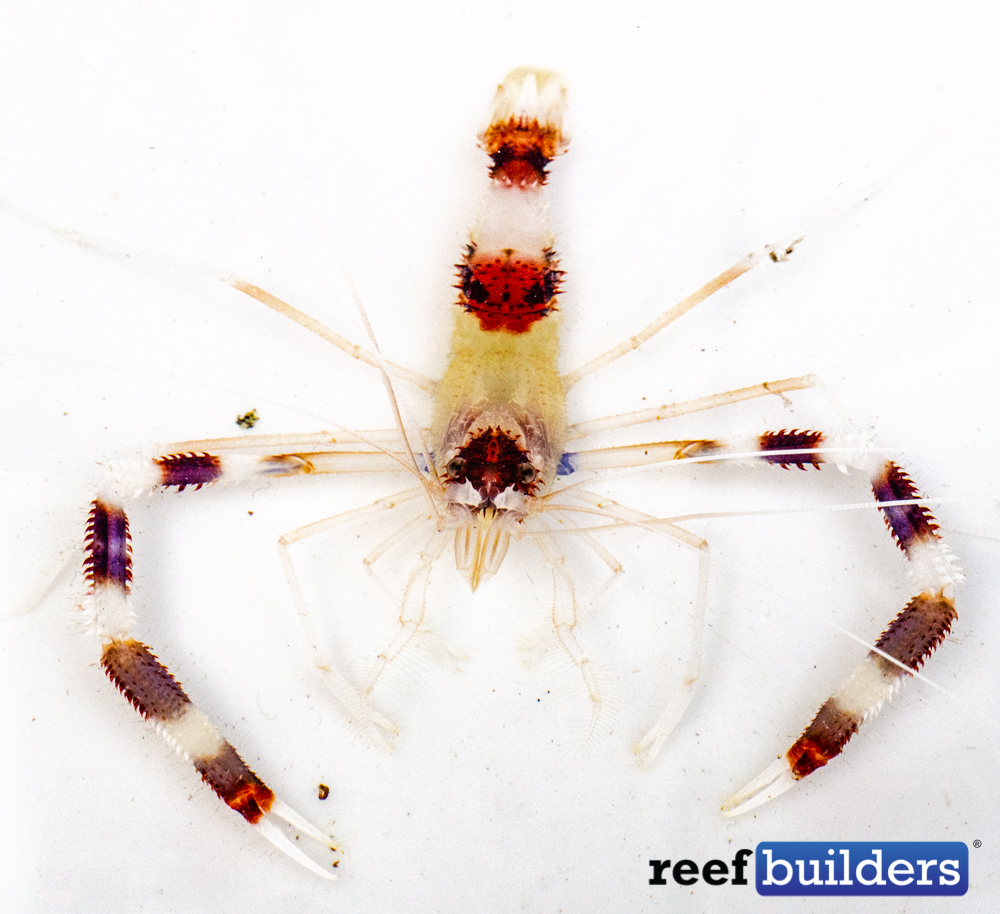 The Banded Coral Shrimp has a beautiful coloration and torso shape with scarlet and white bands across its torso with fairly long pinchers and extra long white antennae. This shrimp is a scavenger and volition pick upwardly leftover food in the tank.
Despite being a scavenger, banded coral shrimp take been seen cleaning parasites off fish.
Bounding main STARS
Starfish can sift through the sand, clean algae from rocks, and grazes across the aquarium glass feeding on algae, and diatoms. Starfish, however, are sensitive to parameter changes such as in oxygen levels, salinity and the pH of the water.
Sand Sifting Sea Star
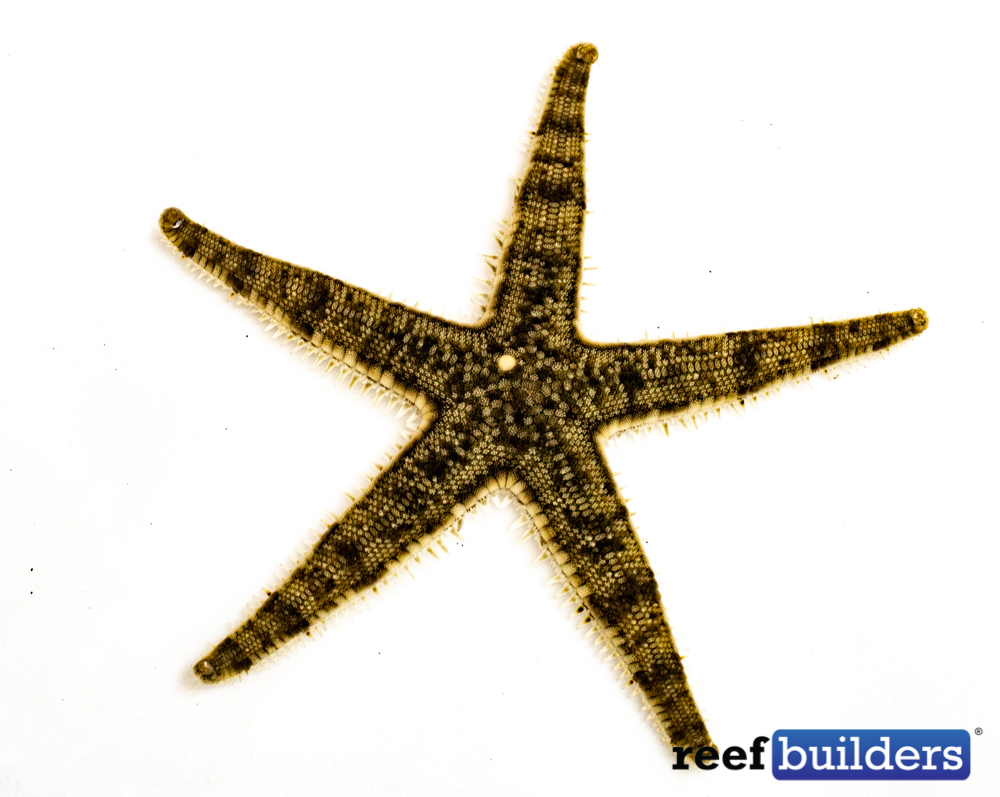
The Sand Sifting Sea Star volition eat large amounts of detritus and uneaten foods. As the proper noun implies this sea star burrows himself in the sand in search of food sifting detritus and aerating the sand bed.
Withal, without enough nutrient, the sand sifting body of water star volition also swallow pocket-sized invertebrates, including shrimp, urchins, mollusks, bivalves, or other pocket-sized sea stars. Brand sure to feed your sea star enough or information technology could just couch in the sand, starve, and eventually begin to decay.
URCHINS
Sea urchins are excellent algae grazers keeping rocks and aquarium drinking glass clear of unwanted pest algae. Their spines protect them from fish and other predators, however, they can exist cumbersome and knock over rockwork and corals.
Blackness Long-Spined Sea Urchin
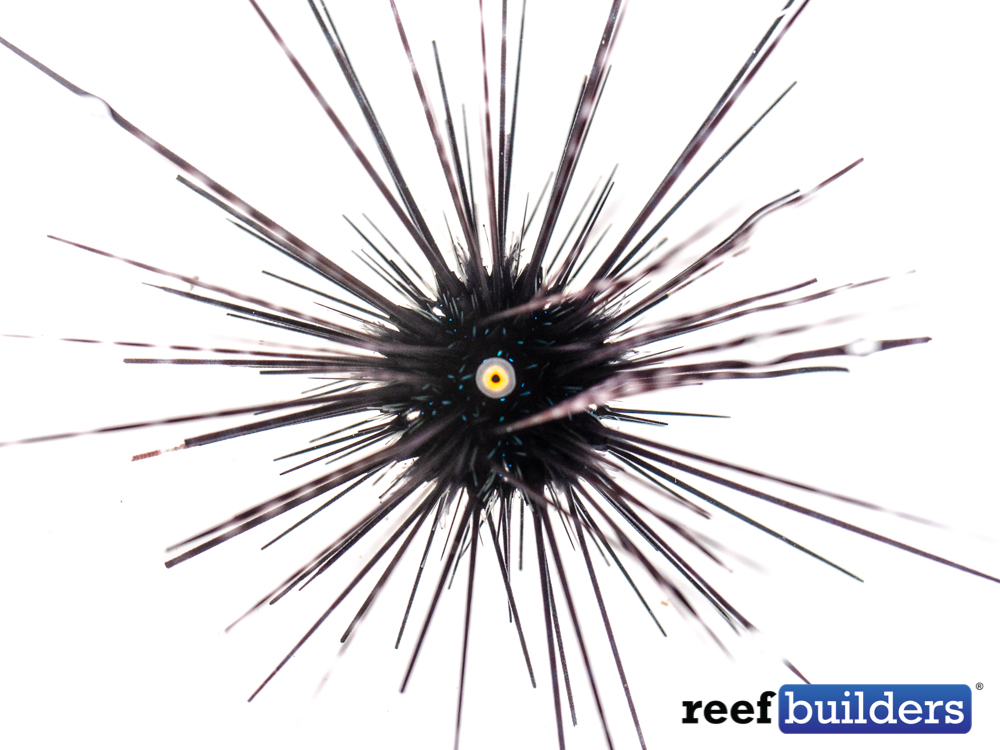 These long spiny sea urchins are first-class algae controllers for an aquarium. Yous want to make certain to have lots of rocks for these little critters to hide during the day.
Long spiny sea urchins volition venture out of the rocks during the night to forage for food such equally algae and seaweed. These urchins are an excellent algae controller for an aggressive aquarium where other invertebrates would be eaten.
Blueish Tuxedo Urchin
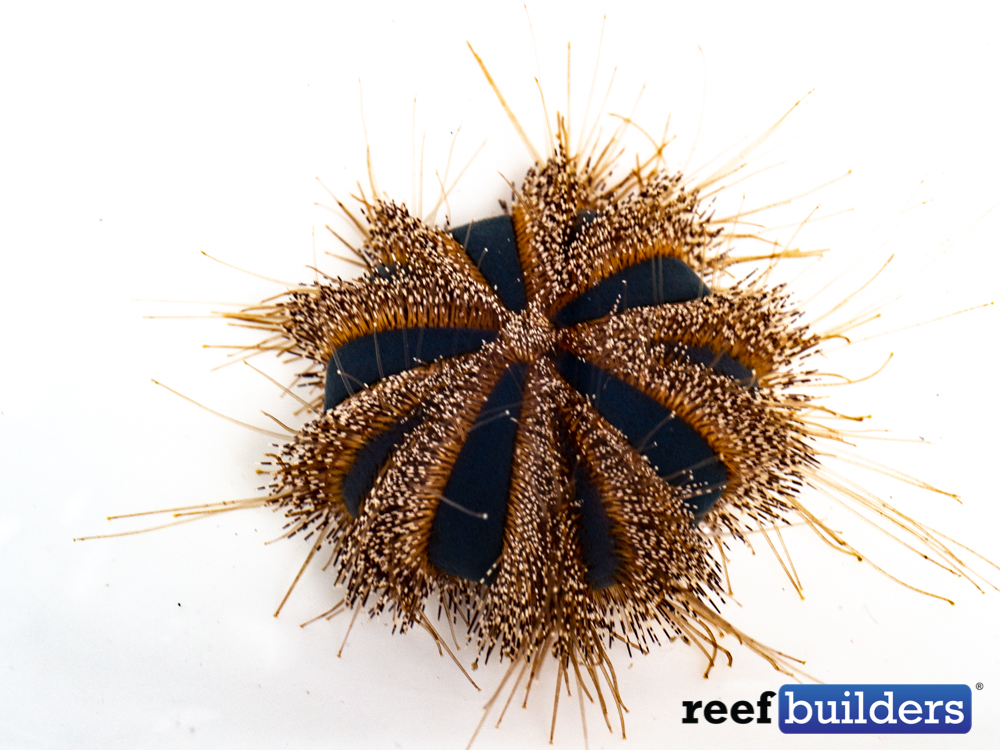
The Blue Tuxedo Urchin, has five to ten broad-colored bands usually bluish or black, with crimson, brown, or dark spines. This very striking combination gives it the "formal" look and thus the name "Tuxedo Urchin."
During the day, it will hide among the rocks, in crevices, or under plants in a sandy substrate. At night, information technology volition sally to graze on the algae present in or almost its dwelling. Tuxedo urchins are especially good at eating corallite algae.

Source: https://reefbuilders.com/2018/05/28/aquarium-clean-up-crew-for-beginners/
Posted by: rodriguezuntentoody.blogspot.com
0 Response to "What Can U Feed The Saltwater Cleaning Crew"
Post a Comment