

How To Clean Comercial Kitchens Greese Etc
America loves to swallow out; in 2022, 19 million people reported visiting a full-service restaurant at to the lowest degree once during the yr, with 49 million more reporting that they ate in a quick service restaurant in 2022ane. In add-on to restaurants, many buildings that have their own cafeteria and food prep areas apply commercial kitchens.
With so many people dining out, it's critical that facility managers keep their commercial kitchens immaculate; peculiarly considering Salmonella, Norovirus and other nasty leaner love to breed in all the nooks and crannies of prep areas2, including on heavily used equipment. Luckily, we're here to provide you with tips to deep clean your commercial kitchen, leaving your diners and staff happy and healthy.
Cleaning Commercial Grills & Griddles
The grill or griddle is i of, if not the, nearly used appliances in a commercial kitchen. Handling the book of cooking required to keep up with consumer demand means that grime will accrue on grill surfaces, as well as on the sides and backs of the appliances. It's recommended that commercial grills and griddles be cleaned at least once a day, peculiarly if handling loftier volumes. This helps assure proper re-seasoning, reduces possible cantankerous contamination and decreases stubborn grease stains.
- Step 1. Get the griddle or grill hot and cascade one cup of clean cooking or fryer oil onto the grill'southward surface. Using a griddle brick or pumice stone, scrub in concentric circles until the grill is make clean. Scrape the cooking oil into the grease trap and turn the grill off.
- Step 2. While the griddle is still warm, pour i cup of order soda or seltzer water onto the surface. The carbonation nowadays in gild soda or seltzer water will aid intermission upward whatsoever stubborn grease deposits. Once more, scrub the grill's surface with your pumice stone or griddle brick in concentric circles and scrape off any of the remaining liquid or residue into the grease trap to exist disposed of.
- Step iii. Apply a half cup of vinegar to the grill surface and spread it evenly across the griddle, taking care to make sure that it doesn't pool. Rub the grill surface with a rag in concentric circles and and so scrape the remainder of the vinegar off of the grill surface into the grease trap for disposal. Vinegar's acidic nature makes it excellent for lifting stubborn stains and deposits of grease that the guild soda may not have removed in the previous step.
- Footstep 4. Soak a rag in cooking oil and give the grill surface a good scrubbing; this not but polishes the grill surface, simply it also ensures proper decontamination and re-seasoning of the grill. The sides and dorsum of the grill are not impervious to stains, spills and buildup either and they're often the most ignored surfaces when cleaning.
Tip: Make sure to scrub the sides and back of your commercial grill and other appliances, with an eco-friendly cleaning production and rag. For especially stubborn deposits or stains, use a combination of baking soda and water to create a paste. Spread the paste on the stain or deposit and so spray with vinegar. Scrub with a sponge or steel wool and wipe clean with a new towel or rag.
Cleaning Commercial Kitchen Ovens
Commercial kitchen ovens are a hot bed for grime, crumbs and other food byproducts due to their heavy and versatile uses. Oven racks should be removed and cleaned separately, with not-toxic cleaner and warm h2o. Oven racks should also exist allowed to dry before being reinserted.
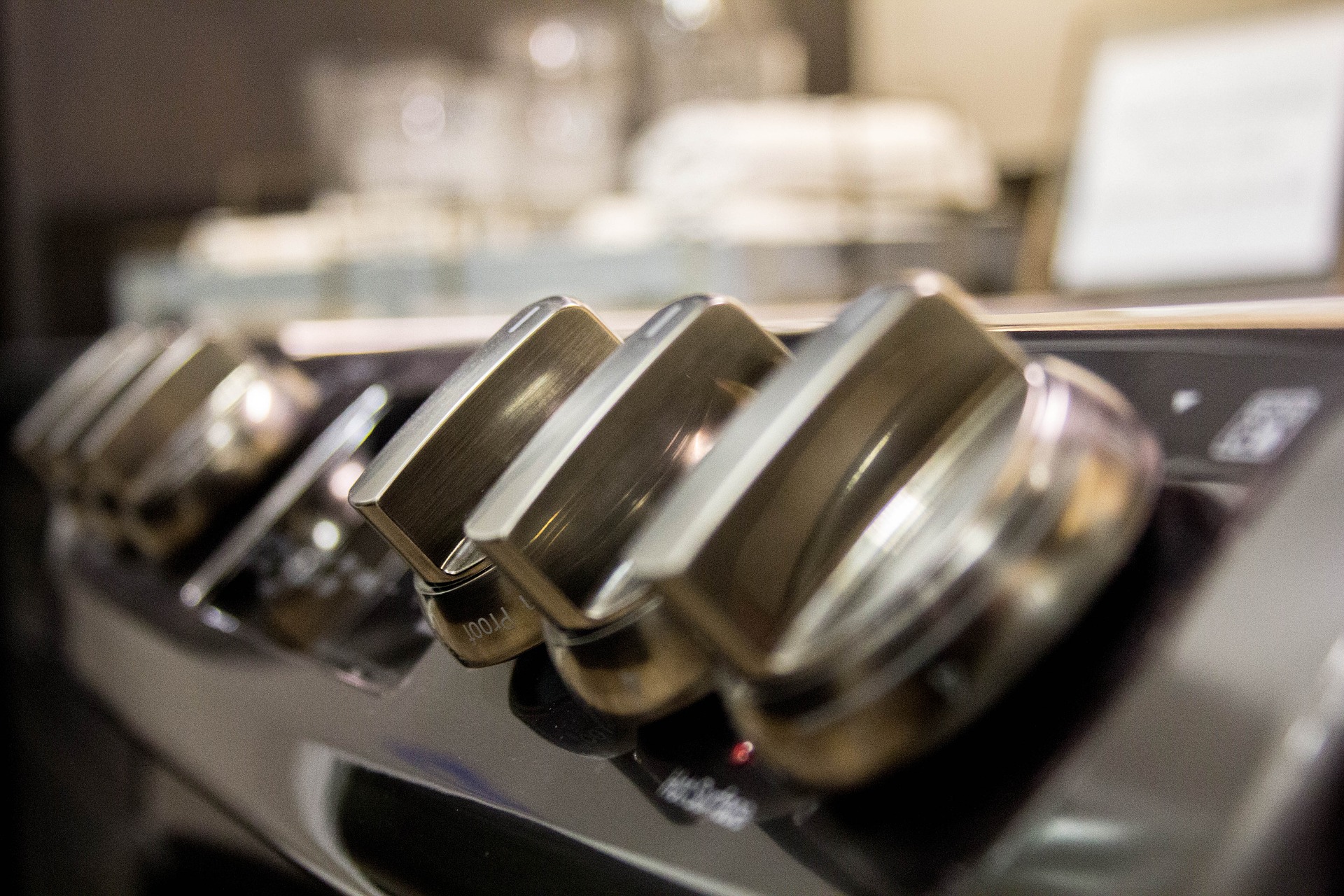
With the racks removed, take care to remove crumb or burnt nutrient byproducts from the interior surfaces of the commercial oven; non only tin can these lead to bad tasting food, but they besides pose a serious fire hazard if they're allowed to build up excessively. Remove crumbs with a brush or cloth, taking care to remove all loose food debris.
For burned on cheese and other stubborn bits of food boil over and buildup, scrub loose what you can with a wire castor or pad. Create a paste out of baking soda and water and apply it to the leftover residuum. After letting the paste sit for a few minutes, spray with vinegar and remove it with a wire castor. Make certain to clean the interior of the oven once more if using the baking soda and vinegar; simply scrubbing these liquids away can leave contaminants, tastes and odors in the oven, which will transfer into nutrient after cleaning.
The outside surfaces and door of the oven should also exist cleaned with non-toxic cleaner and warm water.
Cleaning Hoods & Exhaust Systems
Frazzle hoods and duct systems are ofttimes the nigh neglected areas of a commercial kitchen when it comes to cleaning. The hood system serves to expel heat, smoke and odors out of the kitchen area, in order to help keep the air clean for staff and regulate temperature. Subsequently, commercial kitchen exhaust hoods are prone to buildup of grease and other filth that can hamper their power to expel heat and smoke.
The successful function of a commercial kitchen hood and exhaust system is and so crucial to the safety of a commercial kitchen, that the National Fire Protection Association drafted a code pertaining to their installation and maintenance. Any commercial kitchen that shrugs off the regular cleaning of their hood and frazzle arrangement not simply hazard their employee and consumer wellness, but they likewise face up the probability of loftier fines and mandatory shutdown if hoods and frazzle systems are found to be unsatisfactory.
While near commercial kitchen crews will scrub the outside of the hood equally part of their regular commercial kitchen checklist, the interior cleaning is what really needs to be addressed to ensure safety and optimal food training.
Internally cleaning a commercial kitchen hood and exhaust system is a complex and intricate process that requires:
- Disassembly, cleaning and degreasing of hoods, including filter tracts and grease troughs
- Removal of roof or wall mounted fans to degrease the base of operations, shroud and blades
- Cleaning all ducts of the hood's exhaust arrangement
- Inspecting and replacing loose and worn out fan belts
Tip: It's strongly recommended that a specialty commercial kitchen cleaning service exist used for internal cleaning of hoods and exhaust systems in order guarantee a deep cleaning and correct reassembly of crucial components of the hood and exhaust system.
Cleaning Commercial Deep Fryers
A commercial deep fryer can be one of the primary components of whatsoever kitchen that relies heavily on fried foods as part of its card. As whatsoever commercial kitchen chef or fry melt knows, commercial fryers can get filthy as dirty oil is left unchanged and deposits of crud build up, contaminating fry quality and leading to taste contamination. Aside from frequent oil changes, it's imperative that commercial fryers be cleaned and boiled out.
Boiling out a deep fryer is an excellent process to bear out afterward every few fryer oil changes and can assistance ensure that cross contamination doesn't occur. The process can also increase the life bridge of the commercial fryer itself, saving you from costly purchases sooner than necessary.
- Stride 1. Remove baskets from the fryer and bleed all the grease, disposing of information technology with an oil caddy in an advisable bin or deposit location. Allow the fryer to cool and then scrub the inside surfaces with a metal brush to dislodge buildup and fat deposits. Use a cleaning rod in to clean any excess debris out of the drain line, including bits of food or grease. Rinse the fryer with hot h2o to remove excess fat deposits or any undrained fat that may be left over from the drained grease.
- Step 2. Let the fryer drain for a few minutes, then fill information technology with cool water upwardly to about three inches from the top. Add the eco-friendly commercial fryer cleaner of your choice (the amount depends on the production, always read the bottle offset!) and boil the mixture for 20 minutes. Once 20 minutes is up, drain the fryer until it's empty and scrub the inside again, paying attention to any leftover deposits.
- Step 3. Rinse the fryer thoroughly with absurd water; any leftover water or cleaning solution can instantly subtract the quality of the adjacent batch of oil. Permit the fryer drain and clean whatsoever excess liquid or buildup from the inside with a towel or rag before calculation new oil.
Commercial fryer baskets should be washed with standard dish detergent and warm water. If your fryer baskets are particularly bad, get out them in for the boiling out process; the h2o and fryer cleaner mixture will remove extreme cases of buildup and grime. Fryer baskets should nevertheless be removed and cleaned manually after the boiling out procedure to guarantee a thorough cleaning and preserve the integrity of the next batch of oil.
Cleaning Commercial Staff of life Proofing Drawers & Proofing Ovens
Not all commercial kitchens are created, or cleaned, equally. Depending on the types of foods being offered by an establishment, there may be other appliances to make clean. Bread proofing ovens or drawers, for instance, should exist cleaned to guarantee that the proofing procedure is undisturbed past leftover yeast or grime. Proofing drawers and ovens should be cleaned equally oft as possible.
If your proofing oven has racks, they should be removed and cleaned with an eco-friendly cleaning product, water and a sponge or castor. The water pan at the bottom of proofing drawers or closets should exist removed, emptied and sanitized earlier beingness filled with clean filtered water and replaced for the next use. The interior of the proofing drawer should likewise be sanitized frequently and allowed to dry before being used again.
Cleaning Touchpoints & Other Crucial Areas
Countertops, sinks and other heavy touchpoints in a commercial kitchen need to be cleaned every day after service has stopped. Countertops should be disinfected with not-toxic cleaner and wiped down thoroughly with clean towels or rags. The sides, backs and attainable undersides of counters and prep areas should also exist scrubbed thoroughly with non-toxic cleaner in order to remove grime, viruses and bacteria.
Sink basins should be cleaned and scrubbed with sponges or brushes, warm water and a not-toxic cleaning solution. Faucets and knobs should be cleaned thoroughly as well, in addition to any surrounding counter space or floors in close proximity to the sink. Floor and safe mats need to be dealt with also; use a mop and non-toxic cleaning solution with h2o to clean floors and have condom mats outdoors to be done with a non-toxic cleaner and water. Mats should too be immune to dry out before beingness placed back into the commercial kitchen to prevent injury and the transfer of h2o within.
Commercial walk-in freezers are another area that requires specific care. Read our total characteristic on cleaning commercial walk-in freezers here.
While this cursory guide serves equally a great starting point for deep cleaning a commercial kitchen, there'due south still much to know. Contact us for a commercial kitchen cleaning consultation to learn how we tin can ensure an immaculate commercial kitchen that ensures the health of your loyal diners and staff.
Sources:
- Eating Out Behavior In The U.S. – Statistics & Facts, Statista
- Food Poisoning Bacteria And Viruses, Foodsafety.gov

Source: https://commercialcleaningcorp.com/how-to-deep-clean-a-commercial-kitchen/
Posted by: rodriguezuntentoody.blogspot.com
0 Response to "How To Clean Comercial Kitchens Greese Etc"
Post a Comment